



Introduction
Few sports cars combine timeless design, impressive performance, and everyday comfort as successfully as the Porsche 911. A black Porsche 911 takes this famous combination a step further with a bold appearance, elegant finish, and unmistakable road presence. Whether parked outside a luxury hotel or driving along a winding mountain road, it attracts attention without needing an extravagant design.
The Porsche 911 has earned its reputation through decades of engineering improvements, racing success, and loyal enthusiasts. Its distinctive silhouette has remained recognizable while modern technology has transformed its performance, safety, and comfort.
In this guide, you will discover what makes a black Porsche 911 special, how different generations compare, what to know about the Porsche 992, and how the GT3 RS differs from standard models. You will also learn about ownership costs and important factors to consider before buying one.
1. Why the Black Porsche 911 Stands Out
The Porsche 911 is more than a luxury vehicle. It represents a long tradition of sports-car engineering. Its rear-engine layout, sloping roofline, rounded headlights, and wide rear body create a design that remains distinctive across generations.
A timeless black exterior
Black paint gives the 911 a sophisticated and powerful appearance. It highlights the curves of the body, emphasizes the shape of the headlights, and creates a clean contrast with silver, bronze, or black wheels.
Buyers can choose between different finishes, depending on the model and available options. Gloss black offers a deep, reflective shine, while satin or matte-style finishes create a more understated appearance when offered by the manufacturer or an approved specialist.
However, black paint requires regular care. Dust, water spots, and light scratches can be more noticeable than on some lighter colors. Regular washing with suitable products and careful drying help maintain its appearance.
Interior comfort and premium details
The cabin combines a driver-focused layout with high-quality materials. Depending on the model and specification, buyers may find leather upholstery, supportive sports seats, digital displays, advanced climate control, and premium sound systems.
Although the 911 is a performance car, it can also work for everyday driving. Its comfortable front seats, useful storage areas, and practical design make it more versatile than many dedicated supercars.
A sports car with everyday usability
Many high-performance vehicles sacrifice comfort for speed. The 911 offers a different balance. Standard road-focused versions are generally easier to live with than track-focused alternatives, especially when used for commuting, shopping, and weekend trips.
That versatility is one reason the model continues to appeal to drivers who want excitement without giving up all the conveniences of a normal car.
2. Understanding Porsche 911 Generations
The history of the 911 stretches back to the early 1960s, with production beginning in 1964. Over time, Porsche has refined the original concept while retaining its familiar shape and rear-engine character.
Classic air-cooled generations
The earliest 911 models and their successors used air-cooled engines. These cars are valued for their mechanical character, traditional styling, and connection to Porsche’s early motorsport history.
Older examples can be rewarding for collectors, but condition is extremely important. Rust, maintenance records, engine health, and originality can significantly affect a car’s value.
The transition to water-cooled engines
The 996 generation, introduced in the late 1990s, marked a major change by moving the mainstream 911 range to water-cooled engines. It also introduced a more modern interior and updated body design.
The 997 generation followed with styling that brought a more traditional appearance back to the model. Later versions improved performance, technology, and driving refinement.
Modern generations: 991 and 992
The 991 generation introduced a longer wheelbase and substantial advances in handling, efficiency, and comfort. It helped make the 911 increasingly capable as both a road car and a high-performance machine.
The 992 generation arrived for the 2019 model year. It brought wider body styling, a more digital interior, updated driver assistance features, and further performance improvements. The 992.2 facelift followed for the 2025 model year, with updates that vary by model.
When comparing 911 generations, consider more than appearance. Engine configuration, transmission, maintenance history, technology, and intended use can matter just as much as the model year.
3. Porsche 992: Modern Performance and Design
The Porsche 992 represents a modern interpretation of the classic 911 formula. It retains the recognizable shape while adding contemporary technology and improved driving capability.
Exterior and cabin features
The 992 features a wide stance, sculpted body panels, distinctive LED lighting, and a full-width rear light strip. Its design feels modern without losing the character that makes the 911 recognizable.
Inside, the dashboard combines digital instrumentation with a central infotainment screen and physical controls for selected functions. The precise layout depends on the trim and production year.
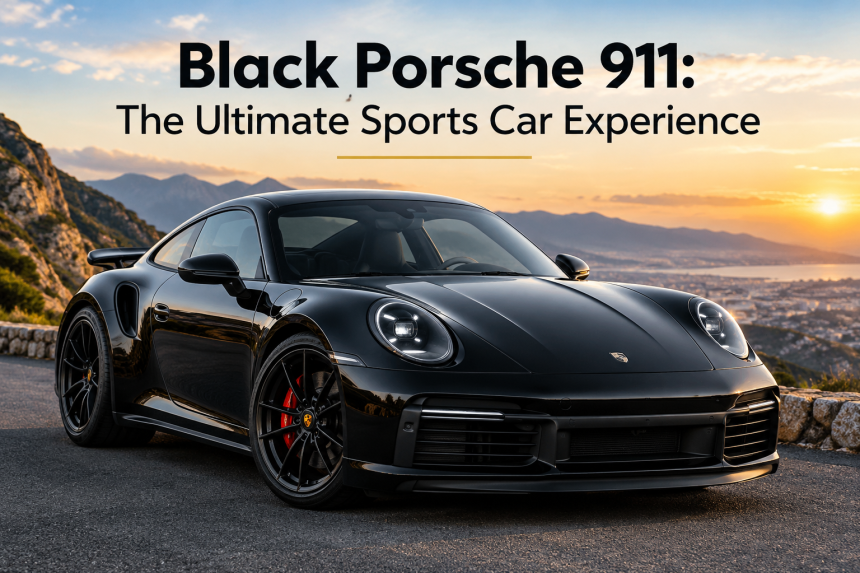
The black Porsche 911 from the 992 generation stands out with its bold, sculpted bodywork and sleek lighting, which highlight its aggressive stance and timeless sports car design.
Engine choices and driving experience
The 992 family includes several versions, ranging from comfortable Carrera models to more powerful Turbo and track-focused GT variants. Many Carrera versions use turbocharged flat-six engines, while the GT3 features a naturally aspirated flat-six.
Power, acceleration, and top speed vary considerably between trims, so buyers should compare the exact model rather than assuming every 911 delivers the same performance.
The standard Carrera is suitable for drivers who want strong acceleration and everyday comfort. More powerful versions offer greater performance, while specialized models prioritize track ability.
Is the Porsche 992 worth considering?
The 992 is worth considering if you want a modern sports car with advanced technology, strong performance, and a recognizable design. However, its purchase price and maintenance expenses can be substantial.
A used 992 may provide an opportunity to own a newer-generation 911 at a lower price than a comparable new model. Before buying, inspect its service records, accident history, tires, brakes, and optional equipment.
4. GT3 RS Black: A More Track-Focused Porsche
The Porsche 911 GT3 RS is designed for drivers who value precise handling, high-revving performance, and track-focused engineering. A black GT3 RS combines these qualities with a dramatic exterior.
What makes the GT3 RS different?
The GT3 RS is not simply a standard 911 with a larger engine. Its development emphasizes aerodynamic performance, chassis control, braking, and weight management.
Depending on the generation, its features may include:
- A naturally aspirated flat-six engine.
- A high-performance dual-clutch transmission.
- Large aerodynamic elements, including a prominent rear wing.
- Advanced suspension systems designed for demanding driving.
- High-performance brakes and specialized tires.
- Lightweight materials and track-oriented bodywork.
These features help the GT3 RS deliver exceptional performance in suitable conditions. However, they can also make it firmer, noisier, and less convenient for everyday use than a Carrera.
Why choose a black GT3 RS?
A black finish creates a serious, understated look that contrasts with the model’s aggressive aerodynamic components. Details such as the rear wing, air openings, wheels, and front splitter become particularly noticeable.
Buyers should remember that a black exterior does not automatically make a car a GT3 RS. Check the vehicle identification number, factory specification, documentation, and service history to confirm its identity.
Is the GT3 RS suitable for daily driving?
It can be driven on public roads where legally permitted, but it is primarily designed around high-performance driving. Firm suspension, low-profile tires, limited luggage space, and expensive consumables may become inconvenient during daily use.
For a balance of comfort and speed, a Carrera or GTS may be a better choice. For regular track days and maximum driver engagement, the GT3 RS may be worth the additional compromises.
5. How Much Is a Porsche 911?
The price of a Porsche 911 depends on its model, model year, mileage, condition, equipment, and location. A used Carrera can cost considerably less than a new high-performance GT3 RS, while rare collector models may command premium prices.
New versus used Porsche 911 prices
When researching how much is a 911 Porsche, compare the following categories:
| Porsche model category | Main buying consideration |
|---|---|
| Used classic 911 | Condition, originality, and restoration costs |
| Used 991 or 992 Carrera | Mileage, service history, and specification |
| New Carrera or Carrera GTS | Factory options and current market pricing |
| Porsche 911 Turbo | Higher performance and potentially higher running costs |
| Porsche 911 GT3 RS | Limited availability and track-focused equipment |
These categories are not fixed price brackets. Actual prices vary by market, and special editions can cost substantially more than standard models. Check Porsche’s official configurator and authorized dealers for current new-car pricing in your country.
Additional ownership expenses
The purchase price is only one part of owning a luxury sports car. Consider these ongoing expenses before making a decision:
- Insurance: Premiums depend on your location, driving history, coverage, and vehicle specification.
- Fuel: Performance engines can consume more fuel during spirited driving.
- Maintenance: Scheduled servicing and specialist repairs can be expensive.
- Tires and brakes: Performance models may require costly tires and brake components.
- Taxes and registration: Import duties, registration charges, and local taxes can significantly increase the total cost.
- Depreciation: The value of a vehicle can change with market conditions, mileage, and demand.
For a used Porsche, arrange an independent inspection with a qualified specialist before paying a deposit. This can help identify hidden damage, neglected maintenance, or expensive repairs.
6. Tips for Buying a Black Porsche 911
Finding the ideal Porsche 911 means choosing a model that fits your budget, suits your driving style, and delivers the performance and comfort you expect. A carefully selected example can provide years of enjoyment, while a poorly maintained vehicle can become an expensive project.
Choose the right model for your needs
If you plan to drive the car regularly, start by comparing the Carrera and Carrera GTS. These versions can offer an appealing balance of performance, comfort, and everyday usability.
If you prefer weekend drives and occasional track events, explore the more performance-oriented options. Drivers who regularly visit circuits should pay particular attention to the GT3 and GT3 RS.
For collectors, older generations may be appealing because of their historical importance and distinctive driving characteristics. However, maintenance requirements can be greater than those of newer models.
Inspect the vehicle before buying
Before making your final decision, review these key factors to ensure you choose the right option for your needs.
- Review the complete service history and available maintenance invoices.
- Verify the VIN, model designation, and factory specification.
- Inspect the bodywork for repainting, accident damage, and corrosion where relevant.
- Check the engine, transmission, suspension, brakes, and tires.
- Test the infotainment system, lighting, climate control, and other electronics.
- Request an independent pre-purchase inspection.
- Compare similar cars to judge whether the asking price is reasonable.
Also, confirm that the black paint is original or professionally applied and ask about any previous bodywork. A high-quality finish can improve the car’s appearance, but poor paintwork may conceal underlying problems.
Should you buy new or used?
A new Porsche offers a fresh warranty, the ability to select factory options, and the reassurance of buying directly through an authorized dealer. Still, buyers should be prepared for a higher upfront cost to make the purchase.
A used 911 can offer excellent value, particularly when the previous owner maintained it properly. Even if the price seems like a bargain, a thorough inspection is essential before making a purchase.
The best purchase is not necessarily the newest or most powerful model. It is the one that fits your budget and intended use while having a well-documented history.
Frequently Asked Questions
1. What makes a black Porsche 911 special?
A black Porsche 911 combines the model’s recognizable sports-car styling with an elegant, bold finish. Its curved bodywork, distinctive lighting, and wide stance create a sophisticated appearance. It also offers a choice of performance levels, from everyday Carrera models to specialized GT variants.
2. What is the Porsche 992?
The Porsche 992 is the eighth-generation 911, introduced for the 2019 model year. It features updated exterior styling, modern interior technology, and a range of engines and performance configurations. The 992.2 facelift arrived for the 2025 model year.
3. Is a black GT3 RS faster than a standard 911?
A black GT3 RS can deliver substantially stronger track-focused performance than a standard Carrera, depending on the specific versions being compared. Its aerodynamic design, suspension setup, and high-revving engine prioritize circuit driving. The black paint itself does not affect performance.
4. How much does a Porsche 911 cost?
The cost depends on the model, year, condition, options, and country. Used Carrera models generally cost less than new models or specialized GT3 RS versions. Buyers should also budget for insurance, maintenance, tires, fuel, taxes, and registration.
5. Is the Porsche 911 a good everyday car?
Yes, many Carrera versions can work well as everyday cars because they combine strong performance with comfortable seating, modern technology, and practical features. The GT3 RS is less suited to daily use because its suspension, tires, and overall setup prioritize performance.
Conclusion: Is the Black Porsche 911 Worth It?
The black Porsche 911 remains an appealing choice for drivers who appreciate timeless design, engineering, and exciting performance. From the everyday versatility of the Carrera to the track-focused character of the GT3 RS, the 911 lineup offers options for different driving styles and budgets.
Understanding the differences between 911 generations, comparing the Porsche 992 with older models, and calculating long-term ownership expenses can help you make a confident decision. Most importantly, choose a vehicle with a verified history and specification that matches your needs.
Ready to find your ideal Porsche 911? Compare available models, review their service records, and arrange a professional inspection or test drive before making your purchase. The right choice should deliver not only an impressive appearance but also lasting enjoyment and confidence behind the wheel.