



Introduction
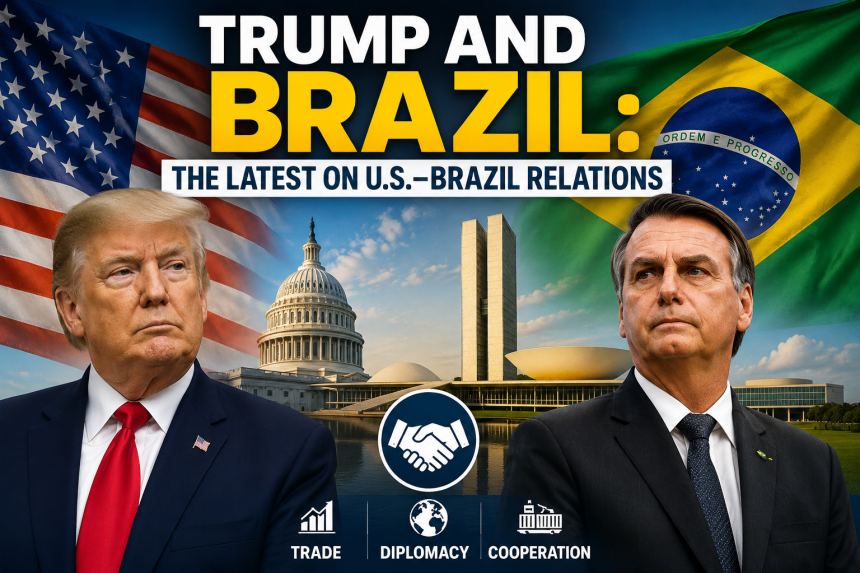
The relationship between the United States and Brazil has long influenced politics, trade, and international cooperation across the Americas. With Donald Trump’s return to the White House, many people are searching for trump brasil to understand how his policies may affect Brazil and bilateral relations.
This guide explains the latest developments, trade ties, diplomatic priorities, and what they could mean for businesses, investors, and everyday citizens. You’ll also discover how brasil e estados unidos hoje continues to shape discussions about the future of both countries.
What Is “Trump Brasil”?
Trump Brasil refers to news, policies, and political developments involving Donald Trump and Brazil. It commonly covers trade relations, diplomacy, tariffs, investment, environmental issues, and cooperation between the United States and Brazil.
The History of U.S.–Brazil Relations
The United States and Brazil have maintained diplomatic relations for more than two centuries. As the largest economies in North and South America, both countries regularly cooperate on trade, security, energy, and technology.
Although their relationship has experienced periods of closer cooperation and occasional disagreements, both nations continue to recognize the importance of working together on regional and global challenges.
Some of the key areas of cooperation include:
- International trade
- Agricultural exports
- Energy production
- Aviation and manufacturing
- Scientific research
- Regional security
These long-standing connections remain important regardless of changes in political leadership.
Trump Brasil: Recent Political Developments
Donald Trump’s presidency has renewed global interest in U.S. Donald Trump’s return to office has renewed global attention on U.S. foreign policy, particularly its evolving relationship with Brazil.
Several topics frequently appear in discussions about trump brasil, including:
Trade Policies
Trade remains one of the biggest priorities. Businesses are closely watching for possible tariff changes, import regulations, and new trade negotiations that could affect exports between both countries.
Diplomatic Relations
Government officials continue to hold discussions on economic cooperation, regional security, and investment opportunities despite political differences.
Environmental Cooperation
The Amazon rainforest often becomes part of international discussions. Environmental protection and sustainable development continue to influence diplomatic conversations between both governments.
Brasil e Estados Unidos Hoje: Economic Ties
When people search for brasil e estados unidos hoje, they usually want to understand the current economic relationship.
The United States is one of Brazil’s largest trading partners, while Brazil remains an important market for American companies.
Major industries include:
Agriculture
Brazil exports products such as:
- Coffee
- Soybeans
- Beef
- Sugar
- Orange juice
Manufacturing
Industrial goods including machinery, vehicles, and aircraft are exchanged between both countries.
Technology
American technology companies continue expanding their presence in Brazil through investment and digital services.
Energy
Both countries cooperate in oil, natural gas, renewable energy, and biofuels.
These sectors create thousands of jobs and support economic growth on both sides.
How Trump’s Policies Could Affect Brazil
Although future policies can change, analysts often focus on several possible areas of impact.
Trade Tariffs
Changes in import taxes could influence Brazilian exports entering the U.S. market.
Foreign Investment
Political stability and economic policy often affect investor confidence and cross-border investment.
Currency Markets
Major policy announcements sometimes influence exchange rates and financial markets.
Agricultural Business
Brazilian farmers closely monitor U.S. agricultural policies because they can affect global commodity prices.
Challenges in U.S.–Brazil Relations
Like many international partnerships, the relationship includes both opportunities and challenges.
Some common issues include:
- Trade disagreements
- Environmental concerns
- Climate policy
- Immigration discussions
- Global economic uncertainty
- Geopolitical competition
Despite these differences, both countries continue maintaining diplomatic dialogue and commercial partnerships.
Opportunities for Future Cooperation
Experts believe there are many areas where both countries can strengthen cooperation.
Digital Economy
Technology partnerships continue expanding through innovation and artificial intelligence.
Clean Energy
Brazil’s renewable energy resources create opportunities for future investment.
Infrastructure
American companies may participate in transportation, logistics, and infrastructure projects.
Education
Student exchange programs and research partnerships continue strengthening long-term relationships.
Why People Search for Trump Brasil
Interest in trump brasil has grown because many people want reliable information about:
- Trade agreements
- Economic policies
- Diplomatic meetings
- Tariff announcements
- Political developments
- Investment opportunities
Since U.S. policy often influences international markets, businesses and investors closely monitor these developments.
Expert Perspective
International relations evolve with changing political priorities, economic conditions, and global events. While leadership changes may influence specific policies, long-term cooperation between the United States and Brazil continues to be driven by shared economic interests, diplomatic engagement, and regional stability. Following official government announcements and reputable news sources helps readers stay informed as policies develop.
Frequently Asked Questions
What does Trump Brasil mean?
It generally refers to news and developments involving Donald Trump and Brazil, including politics, trade, diplomacy, and economic relations.
Why is Brazil important to the United States?
Brazil is one of the largest economies in Latin America and an important partner in trade, agriculture, energy, and regional cooperation.
What is “Brasil e Estados Unidos Hoje”?
The phrase means “Brazil and the United States today” and is commonly used when discussing current political, economic, and diplomatic relations between the two countries.
Could Trump’s policies affect Brazilian exports?
Changes in trade policy, tariffs, or import regulations could influence some Brazilian exports to the U.S., depending on the specific policies adopted.
Do the U.S. and Brazil have strong trade relations?
Yes. Both countries maintain significant trade and investment ties across agriculture, manufacturing, technology, energy, and services.
Conclusion
The topic of trump brasil continues to attract global attention because the relationship between the United States and Brazil influences trade, diplomacy, investment, and regional stability. While political priorities may change over time, both countries remain important partners with shared economic interests and opportunities for cooperation. Staying informed through credible sources is the best way to understand how future developments may shape U.S.–Brazil relations.