



Introduction
Choosing the best 3D printer can feel confusing because there are many models, features, and price ranges to consider. A printer that suits an experienced maker may not offer the simplicity and ease of use a first-time buyer needs.
The good news is that you do not need to understand every technical specification before making a decision. The ideal printer choice depends on your printing goals, frequency of use, skill level, and available budget.
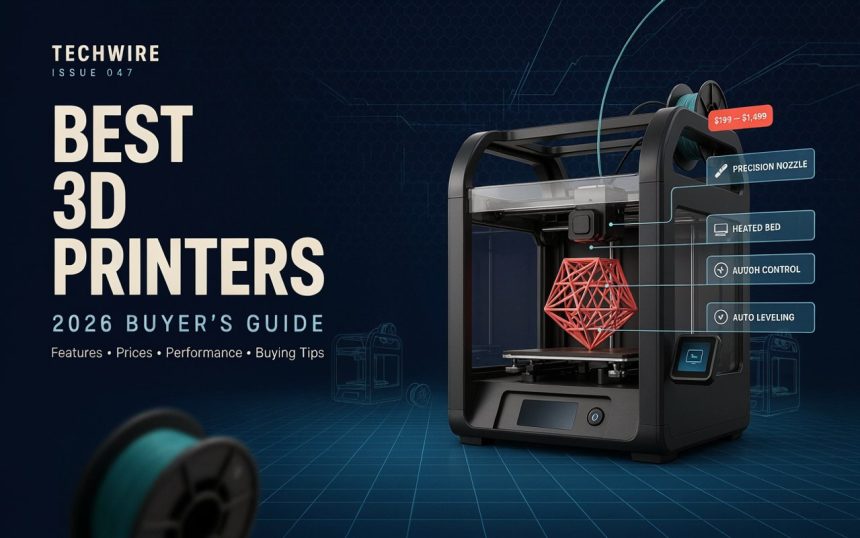
In this guide, we will look at important printer features, typical costs, beginner-friendly options, printing performance, and practical buying tips. Whether you want a 3D printer for beginners, a budget machine, or a best household 3D printer, these factors can help you choose confidently.
What Makes the Best 3D Printer?
A great 3D printer doesn’t have to come with a premium price tag; the right choice depends on your needs, features, and budget. It should provide a useful combination of print quality, reliability, speed, ease of use, and operating costs.
Print Quality
Print resolution affects how detailed and smooth your finished objects look. A good printer should produce consistent layers without excessive gaps, rough surfaces, or noticeable printing errors.
For decorative models, miniatures, and detailed designs, precision becomes especially important. For simple household parts, moderate resolution may be more than enough.
Printing Speed
Modern printers can produce objects much faster than older entry-level machines. Still, top advertised speeds are only one part of what makes a device a good choice.
A printer that produces reliable results at a slightly lower speed may be more useful than one that runs extremely fast but requires frequent adjustments.
Build Volume
The build volume sets the largest dimensions of an object your 3D printer can produce in a single print. Before purchasing, think about the types of projects you expect to make.
For small toys, replacement parts, organizers, and decorations, a standard build area is often sufficient. Larger projects require a bigger printing platform.
Best Beginner 3D Printers: Key Features to Consider Before Buying
For beginners, a 3D printer should offer a straightforward setup and user-friendly features that make learning easy and enjoyable.
Look for features such as:
- Automatic or assisted bed leveling
- Easy-to-use touchscreen controls
- Straightforward filament loading
- Automatic calibration
- Resume printing after power interruptions
- Removable build plates
- Clear software and setup instructions
- Good access to replacement parts
An easy setup can save a new user from spending hours adjusting the machine before the first successful print.
Is an Easy-to-Use 3D Printer Worth It?
Yes. Convenience matters, particularly for first-time users. A printer with automatic calibration and intuitive controls makes setup easier, minimizes common errors, and gives you more time to create and print.
Beginners should also consider the availability of online tutorials, troubleshooting guides, and replacement components. A strong user community can be extremely helpful when something goes wrong.
Cheap 3D Printer vs. More Expensive Models
A cheap 3D printer can be a good starting point, but the lowest purchase price should not be your only consideration.
Budget models may offer the essential features needed for basic printing. However, some inexpensive machines require more manual setup, maintenance, or calibration.
More expensive printers may provide:
- Faster printing
- Better automation
- Larger build areas
- Improved safety features
- Better print consistency
- Easier calibration
- Additional material compatibility
For someone who prints occasionally, an affordable model may make sense. If you expect to print frequently, paying more for reliability and convenience can potentially save time later.
How Much Do 3D Printers Cost?
So, how much do 3D printers cost? Prices vary considerably depending on the printer type, features, size, and intended use.
A general budget breakdown looks like this:
| Printer Level | Typical Price Range | Suitable For |
|---|---|---|
| Entry-level | Around $150–$300 | Beginners and simple projects |
| Mid-range | Around $300–$700 | Regular home users and hobbyists |
| Advanced | $700+ | Enthusiasts and specialized projects |
These are broad ranges rather than fixed prices. Local taxes, shipping, promotions, accessories, and material requirements can change the final cost.
Remember to budget for filament, spare parts, tools, and other accessories. The printer itself is only part of the total cost of 3D printing.
Choosing the Best Household 3D Printer
A good household 3D printer should be user-friendly, relatively quiet, simple to maintain, and compatible with the materials you intend to print.
For home users, common projects include:
- Storage organizers
- Replacement household parts
- Phone stands
- Desk accessories
- Toys and models
- Decorative objects
- Custom hooks and brackets
- Hobby components
Safety should also be considered. Place the printer on a stable surface with adequate ventilation and keep the machine away from children and pets while it is operating.
Consider the Filament
Filament is the material used by many consumer 3D printers. PLA is a beginner-friendly 3D printing material because it prints easily and is suitable for a wide range of everyday projects.
Other materials can provide different characteristics, such as increased flexibility, durability, or heat resistance. Check the printer’s specifications before purchasing specialized filament.
Important Features to Compare Before Buying
Before selecting your machine, compare these features carefully:
Automatic Bed Leveling
An uneven print surface can cause poor first layers. Automatic leveling can make setup easier and improve consistency.
Flexible Build Plate
A removable or flexible plate can make it easier to take finished objects off the printer without damaging them.
Connectivity
USB, Wi-Fi, or other connectivity options can make transferring print files more convenient. Select the option that best matches your needs and workflow.
Enclosed vs. Open Design
An enclosed printer can provide additional protection and help manage the printing environment. Open designs are often simpler and easier to access.
Software Compatibility
Good slicing software converts your 3D model into instructions the printer can understand. Choose a 3D printer that is compatible with software you already know and find easy to use.
Common Mistakes to Avoid
Choosing a product solely because it costs less can often lead to an unsuitable purchase. A slightly cheaper machine may require more maintenance or lack features that you eventually need.
Don’t choose a printer based solely on its advertised top speed; print quality, reliability, and overall performance matter just as much. Real-world print quality, reliability, and ease of use are equally important.
Finally, think about your actual projects. Buying a very large or advanced printer for occasional small objects can result in unnecessary expense.
Frequently Asked Questions
What is the best 3D printer for beginners?
The best choice for a beginner is generally a printer with simple controls, automatic calibration, dependable first-layer performance, and good support resources.
How much does a basic 3D printer cost?
Basic consumer 3D printers commonly start around $150–$300, although prices vary by brand, region, features, and promotions.
Is a cheap 3D printer good for beginners?
Yes, a budget printer can be suitable for learning and simple projects. However, check its reliability, replacement parts, software support, and ease of calibration before buying.
What is the best material for a beginner?
PLA is a popular starting material because it is relatively easy to print and works for many common models and household projects.
Can I use a 3D printer at home?
Yes. Many consumer printers are designed for home use. Use a stable location, follow the manufacturer’s safety instructions, and provide appropriate ventilation for the materials being printed.
Conclusion
Finding the best 3D printer starts with understanding your own printing needs rather than simply choosing the most expensive machine. Beginners should prioritize ease of use and reliable setup, while experienced users may want greater speed, build volume, or material flexibility.
Before purchasing, compare print quality, build size, automatic features, filament compatibility, software support, maintenance requirements, and the overall cost of ownership.