



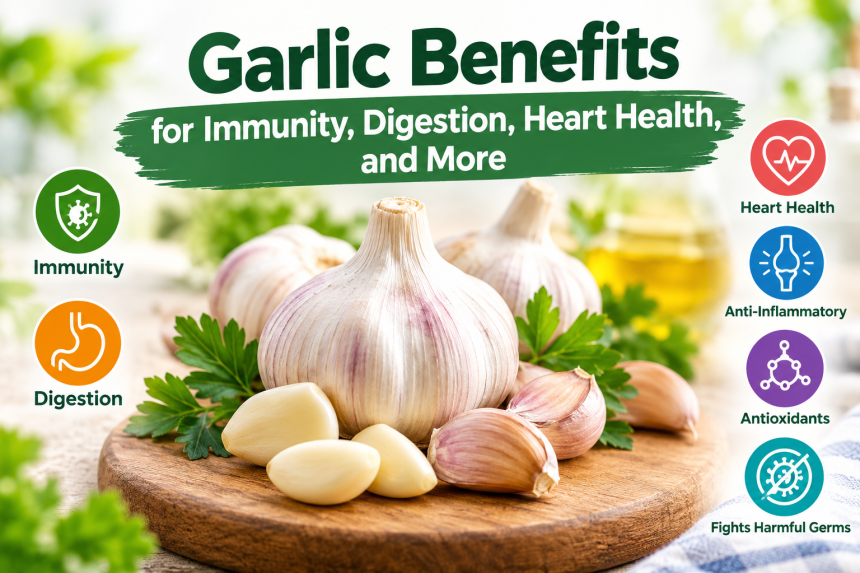
If you’ve ever wondered why nearly every cuisine on earth reaches for garlic, the answer goes far beyond flavor. This humble kitchen staple has been used as a natural remedy for thousands of years, and modern research is now backing up what traditional medicine systems knew all along. Garlic benefits stretch across nearly every major system in your body—from your heart to your immune system to your gut.
In this guide, we’ll break down exactly what makes garlic so powerful, the science behind its healing compounds, and practical ways to add more of it to your daily diet. Whether you’re asking “is garlic healthy” for the first time or looking for the best way to unlock raw garlic benefits, you’ll find clear, actionable answers below.
What Makes Garlic So Powerful? The Science Behind Allicin
Garlic’s superpower lies in a compound called allicin. When you crush, chop, or chew a raw garlic clove, an enzyme reaction converts a sulfur-containing compound (alliin) into allicin—the substance responsible for garlic’s pungent smell and much of its therapeutic effect.
Here’s the catch: allicin is unstable and breaks down quickly, especially with heat. That’s why eating fresh garlic, or letting chopped garlic sit for about 10 minutes before cooking, helps preserve more of its beneficial compounds.
Beyond allicin, garlic contains:
- Sulfur compounds (diallyl disulfide, ajoene) with antioxidant properties
- Vitamin C, B6, and manganese
- Selenium, a trace mineral with antioxidant functions
- Flavonoids, plant compounds linked to reduced inflammation
This combination is what gives garlic its wide-ranging health benefits.
Garlic Benefits for Immunity
One of the most well-known garlic benefits is its ability to support the immune system.
How Garlic Supports Your Immune Response
Research suggests regular garlic consumption may help the body fight off common illnesses like colds and flu. A review of clinical trials found that people who took garlic supplements experienced fewer colds and, when they did get sick, recovered faster than those who didn’t.
Practical Tip
Adding a clove of raw or lightly cooked garlic to soups, teas, or meals during cold and flu season is a simple, low-cost way to give your immune system extra support.
Garlic Benefits for Heart Health
If you’re asking “is garlic healthy” for your heart specifically, the answer is a strong yes.
Blood Pressure Support
Several studies show that garlic supplements can help lower blood pressure in people with hypertension, sometimes with effects comparable to standard medications—though garlic should complement, not replace, prescribed treatment.
Cholesterol and Circulation
Garlic has been shown to modestly reduce total and LDL (“bad”) cholesterol levels. It may also help prevent plaque buildup in arteries and improve overall blood vessel function, reducing long-term cardiovascular risk.
Why This Matters
Heart disease continues to be a major global health concern and accounts for millions of deaths each year. Small, consistent dietary changes—like adding garlic to your meals—can be a meaningful part of a heart-healthy lifestyle alongside exercise and a balanced diet.
Benefits of Eating Garlic for Digestion
Your gut health plays a central role in overall wellness, and garlic has a supportive role to play here too.
A Natural Prebiotic
Garlic contains prebiotic fibers that feed beneficial gut bacteria, helping maintain a healthy microbiome. A balanced gut microbiome is linked to better digestion, improved nutrient absorption, and even mood regulation.
Easing Digestive Discomfort
Traditional medicine has long used garlic to ease bloating and support healthy digestion. While raw garlic can be intense for sensitive stomachs, cooked garlic in moderate amounts is generally well tolerated and still offers digestive benefits.
Raw Garlic Benefits vs. Cooked Garlic
A common question is whether raw garlic benefits outweigh those of cooked garlic.
Raw Garlic
Eating fresh garlic raw preserves the maximum amount of allicin, making it the most potent option for immune and cardiovascular support. This is why some people take a crushed raw clove first thing in the morning.
Cooked Garlic
Cooking reduces allicin content but doesn’t eliminate all benefits. Roasted or sautéed garlic still provides antioxidants, vitamins, and minerals, and it’s easier on the digestive system for many people.
The Best Approach
For maximum benefit, try crushing or chopping garlic and letting it rest for 10 minutes before cooking. This activates the allicin-forming enzyme before heat has a chance to destroy it, giving you a middle ground between raw intensity and cooked convenience.
Garlic Benefits for Inflammation and Antioxidant Protection
Chronic inflammation is linked to numerous health conditions, including heart disease, diabetes, and certain cancers. Garlic’s sulfur compounds and antioxidants help neutralize free radicals and may reduce markers of inflammation in the body.
Some research also suggests garlic may play a protective role against certain cancers, particularly those of the digestive system, though more studies are needed before firm conclusions can be drawn.
Delicious Ways to Add Garlic to Your Everyday Diet
Getting the benefits of eating garlic doesn’t require a drastic diet overhaul. Try these simple strategies:
- Morning ritual: Crush one raw clove and swallow it with water (a common traditional practice)
- Cooking base: Sauté chopped garlic as the foundation for soups, stir-fries, and sauces
- Dressings and dips: Blend raw garlic into hummus, vinaigrettes, or yogurt-based sauces
- Roasted garlic: Roast whole bulbs for a mellow, spreadable addition to bread or vegetables
- Garlic tea: Steep crushed garlic in hot water with lemon and honey
Aim for 1-2 cloves per day for general wellness, and always introduce garlic gradually if you’re not used to eating it regularly.
Who Should Be Cautious With Garlic?
While garlic is safe for most people in food amounts, a few groups should be mindful:
- People on blood-thinning medications, since garlic may enhance the effect
- Those scheduled for surgery (garlic can affect blood clotting)
- Individuals with a known garlic allergy or sensitivity
- People with acid reflux or IBS, who may find raw garlic irritating
If you take medication or have a health condition, check with your doctor before starting high-dose garlic supplements.
Frequently Asked Questions
Is garlic healthy to eat every day?
Yes, for most people, eating 1-2 cloves of garlic daily is considered safe and may support heart health, immunity, and digestion. Start with smaller amounts if you’re new to eating it regularly.
What are the benefits of eating garlic on an empty stomach?
Eating fresh garlic on an empty stomach, typically in the morning, is believed to maximize allicin absorption and may enhance its immune and cardiovascular effects, though it can cause stomach discomfort in sensitive individuals.
Do raw garlic benefits outweigh cooked garlic?
Raw garlic contains more active allicin and is generally considered more potent, but cooked garlic still retains meaningful antioxidants and nutrients, making both valuable additions to your diet.
Can garlic help lower cholesterol?
Studies suggest garlic can modestly reduce total and LDL cholesterol levels when consumed regularly over several weeks to months, though results vary by individual.
How much garlic is too much?
Consuming excessive amounts (several bulbs) can cause digestive upset, bad breath, or increased bleeding risk. Stick to 1-4 cloves per day unless advised otherwise by a healthcare provider.
Conclusion: Make Garlic Part of Your Wellness Routine
From strengthening your immune system to protecting your heart and supporting a healthy gut, garlic benefits are backed by both centuries of traditional use and growing scientific evidence. The best part? It’s inexpensive, easy to find, and simple to incorporate into almost any meal.
Start small—add one extra clove to your cooking this week, or try a raw clove in the morning—and build the habit from there. Your body will thank you for it.
Ready to make garlic a daily habit? Talk to your doctor if you’re on medication, then start experimenting with the tips above to find what works best for your taste and lifestyle.