



Introduction
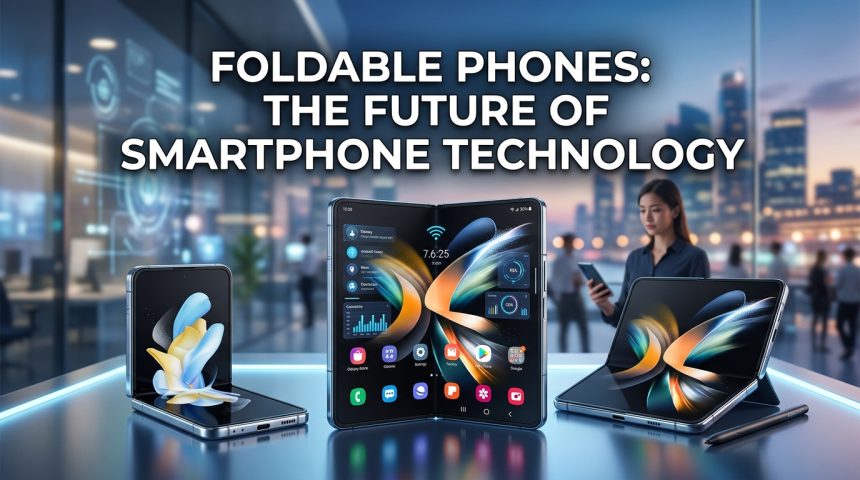
Smartphones have changed dramatically over the past few years, and Foldable Phones are one of the most exciting developments. Instead of using a traditional flat screen, these devices can bend or fold, giving users a larger display without making the phone difficult to carry.
A modern foldable smartphone can work as a regular phone when closed and provide a tablet-like experience when opened. Some models fold vertically, while others open horizontally. This flexibility makes folding phones attractive to people who want more screen space, multitasking features, and a fresh smartphone design.
In this guide, we will explore how foldable phones work, their main advantages and disadvantages, what to consider before buying one, and why they could play an important role in the future of mobile technology.
What Are Foldable Phones?
Foldable Phones are smartphones equipped with flexible displays and specially designed hinges. These components allow the screen to bend without breaking during normal use.
There are two popular designs:
Book-Style Folding Phones
Book-style devices open from the side, creating a larger screen in the center. When closed, they are similar to a normal smartphone. When opened, they offer additional space for browsing, reading, gaming, and multitasking.
Flip-Style Phones
Flip phones fold vertically, making them smaller when closed. Their compact design is particularly useful for people who want a phone that takes up less space in a pocket or handbag.
These designs have helped make the folding phone more practical and appealing to everyday users.
Why Are Folding Phones Becoming Popular?
One major reason is screen size. People want larger displays for watching videos, editing documents, browsing websites, and using several applications at once. However, carrying a large tablet everywhere is not convenient.
A foldable smartphone offers a compromise. Users can carry a relatively compact device and open it whenever they need a larger display.
Another advantage is multitasking. On larger foldable screens, users can often run multiple apps side by side. For example, someone could read an email while checking a calendar or watch a video while taking notes.
Design is another important factor. Folding phones look different from conventional smartphones, making them attractive to consumers who enjoy new technology.
Key Benefits of Foldable Smartphones
Larger Displays in a Compact Design
The biggest advantage is the ability to combine portability with a larger screen. A folded device can remain relatively compact while providing a spacious display when opened.
Better Multitasking
The additional screen area can make everyday tasks easier. Users can work with multiple applications, compare information, or manage files more comfortably.
Flexible Form Factors
Traditional smartphones generally follow the same rectangular design. Foldable devices offer more variety, including book-style and flip-style designs.
Useful for Entertainment
A larger internal display can improve the experience of watching movies, viewing photos, reading, and playing games. The bigger screen can feel more immersive than a standard phone display.
What Are the Disadvantages of Folding Phones?
Despite their benefits, Foldable Phones are not perfect.
Price remains one of the biggest concerns. Foldable technology, specialized hinges, and flexible displays can make these devices more expensive than conventional smartphones with similar specifications.
Durability is another consideration. Although modern folding phones are considerably more advanced than early models, the hinge and flexible display still require careful handling. Dust, impacts, and excessive pressure can potentially cause problems.
Battery life can also vary. Larger displays and powerful hardware may consume significant energy, although manufacturers continue to improve battery technology and power efficiency.
Finally, some users simply prefer the simplicity of a standard smartphone. If someone does not need a larger screen or folding design, a traditional phone may provide better value.
How to Choose the Best Foldable Phone
Choosing the best flip smartphone or another folding model depends on your priorities.
First, examine the hinge design and overall durability. A strong hinge can make a significant difference in everyday use.
Next, consider the display. Look at the size, brightness, refresh rate, crease visibility, and quality of both the external and internal screens.
Performance is equally important. Check the processor, RAM, storage, camera system, and software support. A foldable phone should provide enough power for the tasks you actually perform.
You should also consider battery capacity and charging speed. If you frequently stream videos, play games, or use navigation, battery performance matters.
Finally, compare the price with your needs. Do not buy a folding phone simply because the design looks impressive. Make sure its features solve a real problem for you.
Foldable Phones vs. Traditional Smartphones
Traditional smartphones remain popular because they are generally simpler, lighter, and more affordable. They also have mature designs and fewer moving components.
Foldable phones, on the other hand, focus on flexibility and larger displays. They can provide features that are difficult to achieve with a standard smartphone.
The right choice depends on your lifestyle. Someone who values portability and multitasking may enjoy a foldable device, while someone who wants reliability and value may prefer a traditional phone.
The popularity of flip phones 2024 also showed that compact designs can attract consumers when combined with modern smartphone features. Today’s folding phones continue to build on that interest.
The Future of Folding Phones
The future of folding phones looks promising as manufacturers continue improving displays, hinges, software, and battery technology. As production becomes more efficient, prices may become more accessible.
Future models could become thinner and lighter while offering stronger screens and longer battery life. Software will also play an important role because applications need to adapt smoothly between folded and unfolded layouts.
As these improvements continue, Foldable Phones could move from being a premium niche product toward becoming a more common smartphone category.
Frequently Asked Questions
Are foldable phones worth buying?
They can be worth buying if you value a larger display, multitasking, and innovative design. However, users on a tight budget may find traditional smartphones more practical.
Are foldable smartphones durable?
Modern foldable smartphones are designed for everyday use and are much more advanced than early generations. However, their hinges and flexible displays still require reasonable care.
What is the difference between a folding phone and a flip phone?
A folding phone is a broad category that includes different designs. A flip phone usually refers to a vertically folding smartphone that becomes smaller when closed.
Do foldable phones have good cameras?
Many premium foldable models offer strong camera systems. However, camera quality varies between manufacturers and individual models, so specifications and real-world reviews should be compared before purchasing.
Conclusion
Foldable Phones have introduced a new approach to smartphone design by combining portability with larger, flexible displays. Their benefits include better multitasking, improved entertainment, and unique form factors, while higher prices and durability concerns remain important considerations.
As technology continues to improve, folding phones may become thinner, stronger, and more affordable. If you are considering one, compare the display, hinge, performance, cameras, battery, software support, and price before making your decision. Explore the latest models and choose a foldable smartphone that genuinely fits your everyday needs.