



Introduction
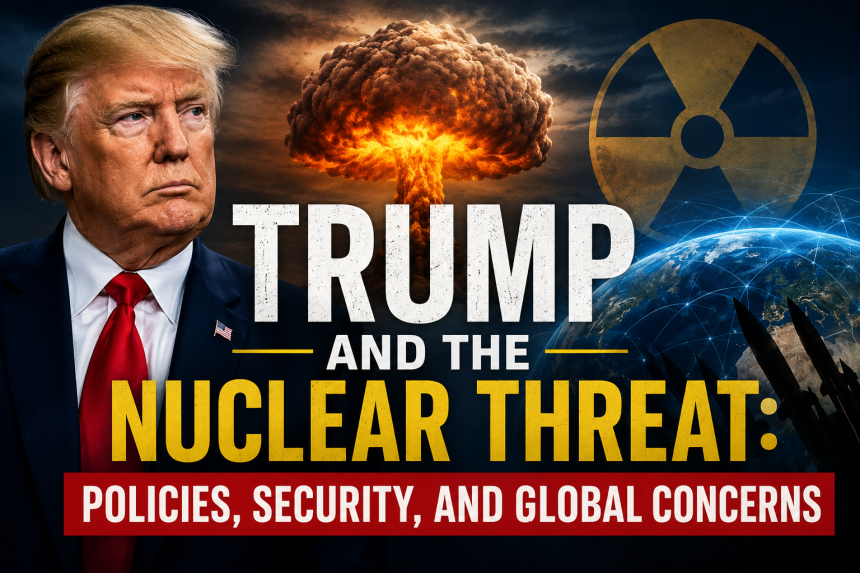
The phrase Trump nuclear covers some of the most important questions surrounding U.S. foreign policy and Middle East security. Donald Trump has repeatedly said that Iran must not be allowed to obtain a nuclear weapon. His approach has combined economic pressure, diplomacy, military deterrence, and direct military action.
Understanding this issue can be confusing because U.S.-Iran relations have changed significantly over the years. This article explains Trump’s nuclear policy, the history of the Iran nuclear deal, why Iran’s nuclear program remains a major concern, and what U.S. actions could mean for global security.
What Is Trump’s Nuclear Policy Toward Iran?
Trump’s policy is centered on preventing Iran from obtaining a nuclear weapon. In 2025, his administration announced a policy of “maximum pressure” designed to deny Iran a nuclear weapon, restrict its missile capabilities, and weaken support for regional militant groups.
The strategy is broader than nuclear weapons alone. It includes sanctions, diplomatic pressure, military deterrence, and efforts to limit Iran’s ability to develop advanced weapons.
In 2026, the Trump administration continued to describe preventing an Iranian nuclear weapon as a central U.S. security objective.
Why Is Iran’s Nuclear Program Important?
Iran says its nuclear activities have peaceful purposes, including energy and scientific research. However, the possibility that Iran could develop the capability to produce a nuclear weapon has created major concerns among the United States, Israel, and other countries.
The key issue is not simply whether Iran operates nuclear facilities. It is whether those facilities and its growing technical capabilities could eventually support the production of a nuclear weapon.
What Was the Iran Nuclear Deal?
The Iran nuclear deal, formally known as the Joint Comprehensive Plan of Action (JCPOA), was reached in 2015. It placed restrictions on Iran’s nuclear activities in exchange for sanctions relief.
Trump strongly criticized the agreement during his first presidency. In May 2018, he withdrew the United States from the deal and restored U.S. sanctions against Iran. The Trump administration argued that the agreement did not adequately address Iran’s nuclear ambitions, missile program, and regional activities.
This decision became a major turning point in U.S.-Iran relations.
Is the U.S. Allies With Iran?
No. The United States and Iran are not military or political allies. Their relationship has been marked by serious disputes, sanctions, diplomatic tensions, and military confrontation.
The two countries have sometimes used negotiations to address specific problems, but that does not mean they are allies. In fact, U.S. policy under Trump has repeatedly treated Iran as a major security challenge.
This distinction matters because headlines about negotiations can sometimes create the impression that the two governments have normal diplomatic relations.
Will the U.S. Strike Iran?
Whether the United States will conduct future military strikes depends on circumstances, intelligence assessments, negotiations, and presidential decisions.
However, this question has become more complicated because U.S. military action against Iran has already occurred during Trump’s current presidency. In March 2026, the Trump administration announced Operation Epic Fury, describing its objectives as damaging Iran’s military capabilities and preventing it from obtaining a nuclear weapon.
The administration has also emphasized that diplomacy remains possible when it believes an agreement can address U.S. security concerns.
Did the U.S. Bomb Iran?
Yes. U.S. military forces have conducted strikes against Iranian targets during the Trump administration in 2026. The Trump administration has publicly described military operations against Iranian military and nuclear-related capabilities.
This is different from saying that the United States has used a nuclear weapon against Iran. There is no basis for describing these operations as U.S. nuclear attacks. The issue concerns conventional military strikes aimed at military and nuclear-related infrastructure.
How Could Trump’s Nuclear Policy Affect Global Security?
The consequences extend beyond Washington and Tehran. Any major conflict involving Iran could affect oil markets, shipping routes, neighboring countries, and international diplomacy.
A tougher U.S. approach may increase pressure on Iran and potentially encourage negotiations. On the other hand, continued military confrontation could increase the risk of escalation.
The Strait of Hormuz is particularly important because it is a major route for global energy shipments. Greater instability in the region could therefore have economic effects far beyond the Middle East.
At the same time, preventing nuclear proliferation remains a major international security goal. If Iran were to acquire a nuclear weapon, other countries might reconsider their own security policies.
What Comes Next for Trump and Iran?
The future of U.S.-Iran relations could involve several paths. Diplomacy could produce a new agreement, while continued pressure could maintain economic and military restrictions. Another possibility is prolonged confrontation.
Trump’s administration has made clear that it does not want Iran to obtain a nuclear weapon. At the same time, officials have indicated that negotiations remain possible if Iran accepts conditions that Washington considers sufficient.
For readers following the Trump nuclear issue, the most important developments to watch are nuclear negotiations, sanctions, inspections, military activity, and changes in Iran’s nuclear capabilities.
Frequently Asked Questions
What is Trump’s position on Iran’s nuclear program?
Trump’s stated position is that Iran must not obtain a nuclear weapon. His administration has used sanctions, diplomatic pressure, and military action as parts of its strategy.
Did Trump leave the Iran nuclear deal?
Yes. Trump withdrew the United States from the JCPOA in 2018 and restored U.S. sanctions on Iran.
Is the U.S. allied with Iran?
No. The United States and Iran are not allies and have longstanding political and security disputes.
Did the U.S. strike Iran?
Yes. The Trump administration announced U.S. military operations against Iranian targets in 2026, including operations focused on military and nuclear-related capabilities.
Why does Iran’s nuclear program matter?
The concern is that Iran could potentially develop a nuclear weapon. Preventing nuclear proliferation is therefore a major issue for U.S. policy and international security.
Conclusion
The Trump nuclear debate is about much more than nuclear weapons. It involves diplomacy, sanctions, military power, regional stability, energy security, and the future of U.S.-Iran relations.
Trump has consistently presented preventing an Iranian nuclear weapon as a major security priority. His approach has shifted the relationship from traditional diplomacy toward stronger economic and military pressure. As events continue to develop, readers should follow reliable government statements and independent reporting rather than relying on social media claims or unverified headlines.